Explore simple yet powerful daily habits that help reduce anxiety naturally. Improve your sleep, calm your mind, and enhance your mental health without medication using proven techniques.
Introduction
In today’s fast-paced world, anxiety has become one of the most common mental health challenges. From racing thoughts to constant worry, the symptoms can interfere with daily life. While therapy and medication are effective solutions for many, incorporating natural habits into your routine can offer long-term relief—without side effects.
This article breaks down science-backed daily habits that promote calm, improve focus, and support emotional balance. These lifestyle changes can help you feel more grounded, energized, and in control of your mental wellness journey.
1. Start Your Day with Mindfulness
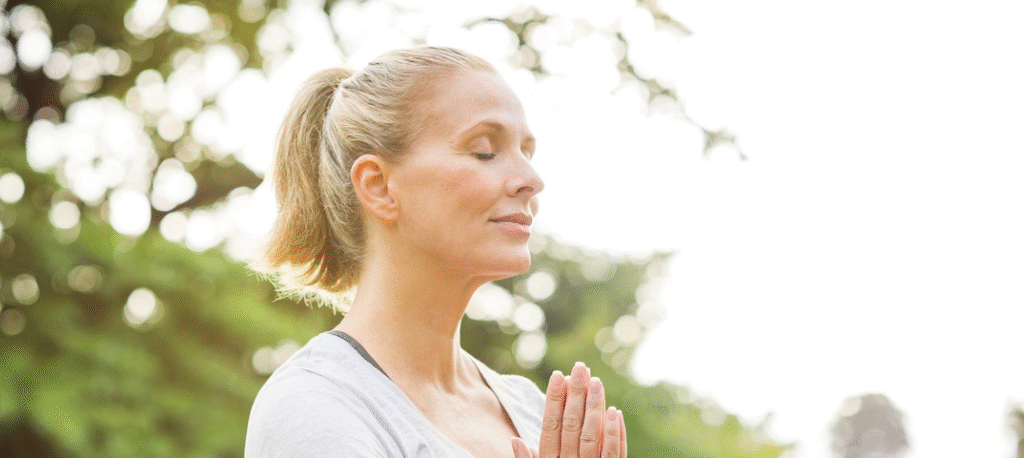
Taking 10 to 15 minutes each morning to ground yourself can have a profound impact on anxiety levels. Simple breathing exercises, body scan meditations, or focusing on the present moment can regulate your nervous system and reduce stress responses.
Apps designed to guide meditation practices can be useful tools if you’re new to the practice. Many people find that a consistent routine of mindfulness helps reduce panic, ease obsessive thinking, and improve emotional regulation.
2. Fuel Your Brain with Nutrient-Rich Foods
What you eat directly affects how you feel. A diet rich in leafy greens, healthy fats, and omega-3s supports brain health and promotes a stable mood. Magnesium-rich foods like spinach, almonds, and avocados have been associated with better stress response and relaxation.
Incorporating fermented foods can also support the gut-brain connection, which plays a key role in mood stability. For some, adding natural calming supplements or consulting with a professional about nutritional deficiencies can enhance results.
3. Move Daily to Release Tension
Regular physical activity isn’t just good for your body—it’s one of the most effective tools for managing anxiety. Just 20–30 minutes of walking, yoga, or low-impact exercise can help release endorphins, regulate cortisol, and elevate your mood.
Gentle movement practices like tai chi or stretching can also lower physical tension and quiet anxious thoughts. Building a consistent routine, even with short sessions, supports both physical and mental resilience.
4. Improve Your Sleep Routine
Sleep and anxiety are deeply intertwined. Without enough restorative sleep, the brain struggles to regulate emotion and stress. Creating a calming bedtime routine—free from screens and stimulation—can drastically improve sleep quality.
Soothing music, light stretching, or natural sleep aids like herbal teas may help you wind down. For some, ingredients like melatonin or L-theanine have shown promising results when used responsibly. A consistent sleep schedule strengthens the circadian rhythm, promoting deeper rest and less morning anxiety.
5. Set Boundaries with Digital Devices
Excessive screen time, especially on social media or news platforms, can silently fuel anxiety. Taking intentional breaks from digital devices reduces mental clutter and promotes better focus and inner calm.
Try designating tech-free hours in the morning or evening. Replace doom-scrolling with journaling, nature walks, or connecting with someone face-to-face. These small shifts not only reduce exposure to stress triggers but also create space for mindful reflection.
6. Strengthen Your Support System
Human connection is a powerful antidote to anxiety. Having someone to talk to—whether a friend, loved one, or licensed professional—can ease emotional burdens. Many individuals benefit from online therapy platforms that offer accessible, judgment-free environments for support.
Joining community groups, attending wellness workshops, or volunteering can also build a sense of belonging and stability. Social interaction, even in small doses, fosters emotional resilience and reduces feelings of isolation.

7. Create a Consistent Routine
Predictability reduces uncertainty, which is a common trigger for anxious thinking. Structuring your day with simple habits—like waking up at the same time, eating nourishing meals, and dedicating moments to movement or quiet—can instill a sense of control.
Routine builds rhythm into your day and trains your body and mind to feel more secure. Over time, these micro-adjustments lead to long-term emotional balance and improved mental clarity.
Conclusion
Reducing anxiety naturally is not about perfection—it’s about creating space for calm, presence, and intentional choices each day. By incorporating mindful habits, nourishing your body, staying active, and prioritizing sleep and connection, you build a strong foundation for mental well-being.
You don’t need to change everything overnight. Start with one or two small shifts, and let consistency do the work. Your path to peace may be more natural than you think.