Learn how blue light affects your brain, disrupts your circadian rhythm, and interferes with deep sleep. Discover practical ways to reduce screen-related insomnia and improve your sleep quality naturally.
The Digital Problem You Can’t Ignore
If you’ve ever found yourself wide awake after scrolling through your phone late at night, you’re not alone. Modern screens—whether from smartphones, laptops, or televisions—emit blue light, a high-energy visible (HEV) light that’s been scientifically proven to interfere with your sleep cycle and melatonin production.
Exposure to artificial light in the evening sends signals to your brain that it’s still daytime, disrupting your circadian rhythm and reducing the natural signals your body uses to wind down.
What Is Blue Light and Why Does It Matter?
Blue light is part of the visible light spectrum and is naturally emitted by the sun. However, the blue light from screens is shorter in wavelength and higher in energy, making it more disruptive—especially at night.
While exposure during the day can boost alertness and reaction time, nighttime exposure suppresses melatonin, the hormone responsible for regulating sleep.
🧠 Here’s How Blue Light Affects Your Brain:
- Suppresses melatonin, delaying your ability to fall asleep
- Increases alertness at the wrong time (leading to racing thoughts)
- Interferes with REM sleep and the brain’s ability to consolidate memory
- Disrupts the circadian rhythm, leading to insomnia or restless sleep
- Can contribute to digital eye strain and headaches
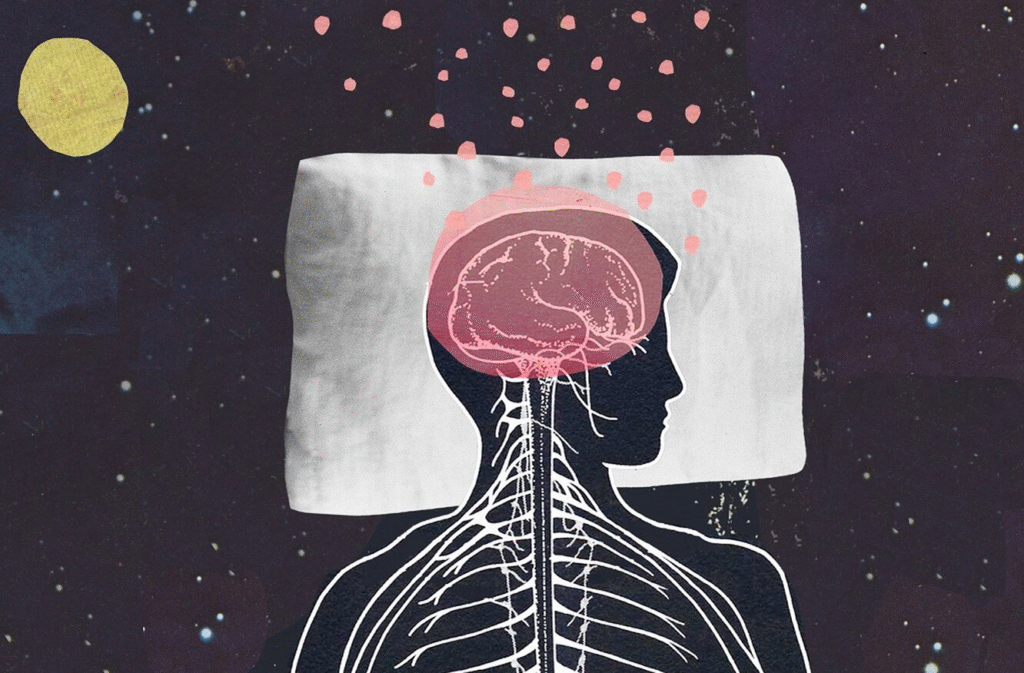
Sleep Deprivation: The Hidden Cost
Consistent exposure to blue light at night doesn’t just make you tired—it can harm your health. Poor sleep increases cortisol levels, elevates blood pressure, weakens immune function, and raises the risk of conditions like obesity, type 2 diabetes, and mental health disorders.
When sleep is disrupted over time, your brain’s ability to repair itself diminishes, which affects your focus, mental clarity, and emotional balance. That’s why blue light isn’t just a minor inconvenience—it’s a major health concern.
Signs You May Be Affected by Blue Light Exposure
- Difficulty falling or staying asleep
- Feeling groggy in the morning despite “8 hours” in bed
- Headaches or eye strain after screen time
- Reliance on sleep aids or caffeine to function
- Reduced daytime energy and focus
Practical Ways to Reduce Blue Light Exposure
You don’t have to ditch your devices entirely. Making small changes to your evening routine can significantly improve your sleep quality and overall wellness.
🌙 Simple habits to protect your brain and improve sleep:
- Turn off screens 1–2 hours before bed
Give your brain time to naturally produce melatonin. - Use blue light blocking glasses
These are effective, affordable tools to minimize screen damage. - Enable “Night Shift” or “Blue Light Filter” on devices
Most modern phones and computers come with built-in settings to reduce HEV light. - Invest in a quality sleep mask or blackout curtains
Light pollution in your room—even from devices or digital clocks—can delay sleep onset. - Try melatonin supplements or natural sleep aids if needed
These can support the body’s natural cycle when used short-term and responsibly. - Create a digital curfew and stick to it
Set a time to unplug every evening, and replace screen time with reading, journaling, or meditation.
The Role of Sleep Tech and Digital Wellness Tools
To fight back against blue light and poor sleep, many people turn to wearable sleep trackers, blue light screen filters, or digital wellness apps. These tools are designed to help users monitor sleep quality, adjust habits, and reduce harmful exposure over time.
Apps focused on guided sleep meditations, melatonin tracking, and sleep hygiene coaching are not just trends—they’re backed by neuroscience and gaining popularity in the health tech space.
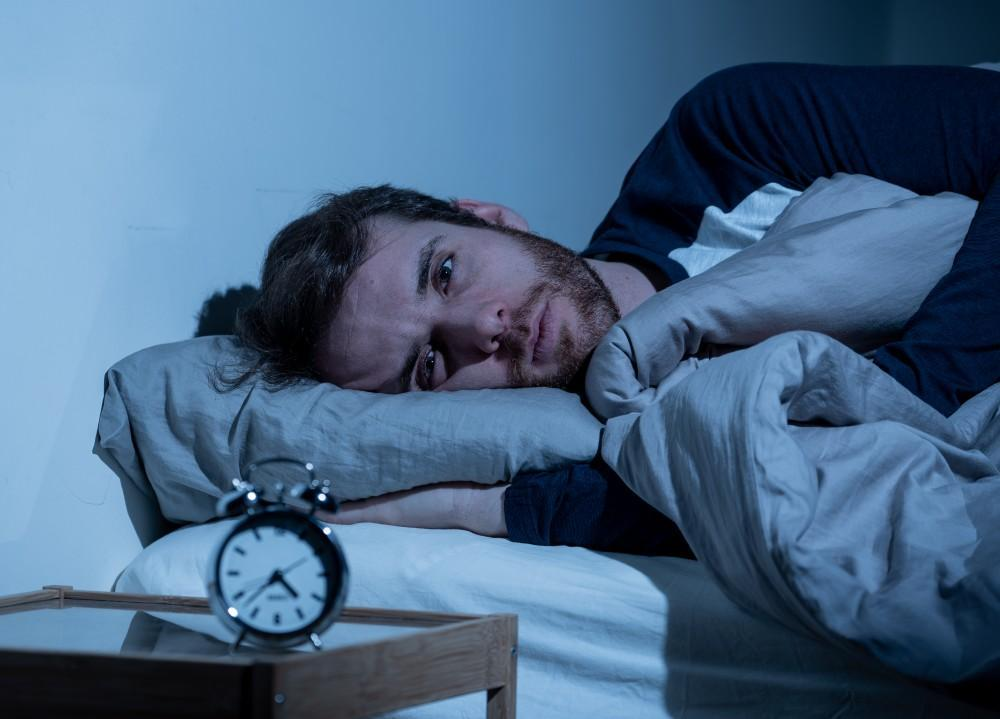
Sleep and Your Long-Term Health
Chronic sleep disruption is linked to more than just grogginess. It’s connected to:
- Higher risk of heart disease and high blood pressure
- Increased chances of weight gain and metabolic issues
- Decreased immune function and poor recovery
- Worsening of anxiety and depression symptoms
- Impaired cognitive function and memory retention
Protecting your brain from blue light exposure may be one of the most important things you can do to support long-term health, productivity, and emotional balance.
Final Thoughts
In a world where we’re constantly plugged in, understanding how blue light affects your brain and sleep is more important than ever. Reducing exposure in the evening, embracing digital wellness tools, and prioritizing quality rest can significantly improve how you feel, focus, and function.
Your devices might help you connect, work, and unwind—but they shouldn’t cost you your sleep. Small daily shifts can help your brain reset, your body recover, and your life feel a little more balanced.