Curious about whether smartwatches and fitness trackers actually make you healthier? Discover the truth about wearable health tech, its real-world benefits, and how it could impact your daily wellness routine.
Introduction
In today’s hyper-connected world, wearable health technology has become more than just a fitness trend—it’s a billion-dollar industry promising better sleep, weight loss, heart health, and even early disease detection. From Apple Watches and Fitbits to WHOOP bands and smart rings, people are turning to wearable devices to gain control over their health. But the question remains: Does wearable health tech really improve your wellness, or is it just a glorified gadget?
What Is Wearable Health Tech?
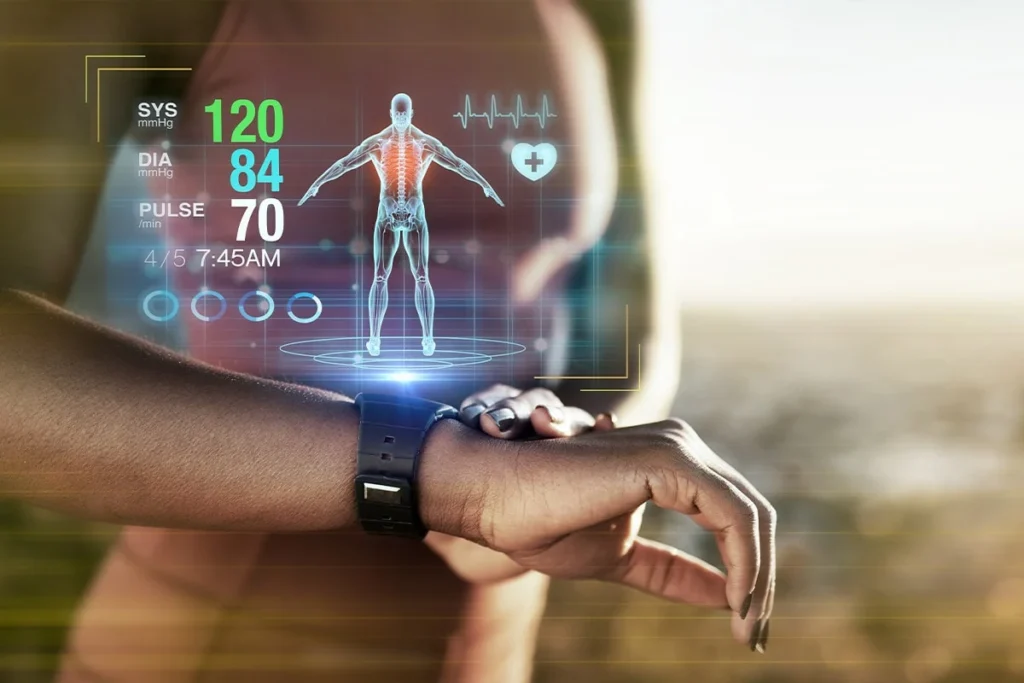
Wearable health tech includes smart devices that monitor physical activity, vital signs, and other health-related metrics in real time. These include:
- Smartwatches and fitness bands (e.g., Apple Watch, Fitbit, Garmin)
- Smart rings (like Oura Ring)
- Sleep trackers
- ECG monitors and blood oxygen sensors
- Posture correctors and stress trackers
- Continuous glucose monitors (CGMs) for diabetes and wellness tracking
Key Benefits: How Wearables Can Improve Your Health
Here are realistic, science-backed benefits of wearable devices that go beyond hype:
✅ 1. Better Sleep Tracking and Recovery
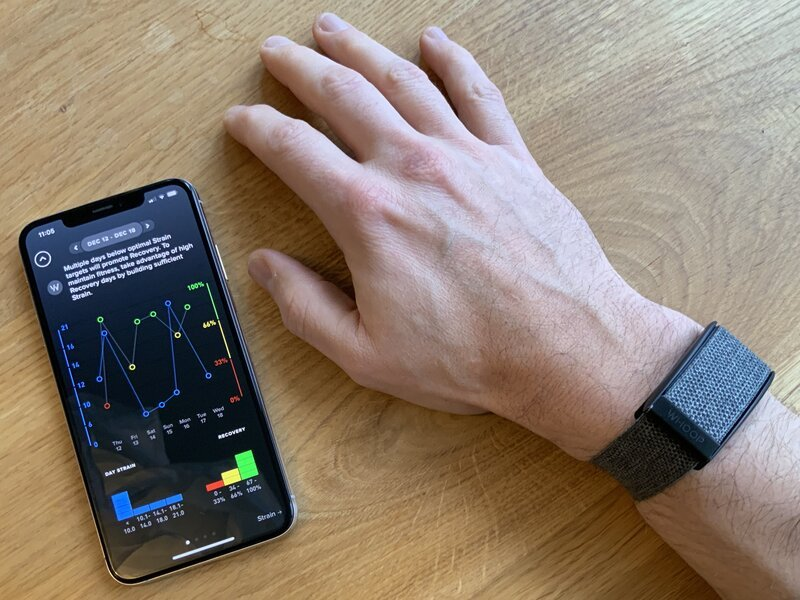
- Devices like the Oura Ring and WHOOP provide detailed sleep quality analysis, tracking REM cycles, sleep debt, and recovery.
- Enables users to optimize sleep hygiene habits.
✅ 2. Activity & Heart Rate Monitoring
- Most wearables track steps, heart rate, and calories burned—encouraging daily physical activity.
- Advanced models offer VO2 max, heart rate variability (HRV), and even ECG monitoring.
✅ 3. Early Detection of Health Issues
- Some devices alert you to irregular heart rhythms, oxygen saturation drops, or stress patterns—useful for early detection of chronic issues.
- In 2020, the Apple Watch detected abnormal heart rates that led users to seek medical care.
✅ 4. Improved Lifestyle Habits
- Habit tracking (e.g., hydration reminders, movement alerts) nudges you to make small, consistent behavior changes.
- Real-time feedback improves accountability and builds better routines.
✅ 5. Integration with Health Apps and AI
- Integration with platforms like Apple Health, Google Fit, and MyFitnessPal offers a comprehensive view of your health.
- AI-powered suggestions and trend analysis help in customizing workouts, diets, and recovery plans.
Limitations & Realistic Expectations
It’s important to be aware of the downsides:
- Data Overload: Too much information can cause anxiety or lead to obsessive tracking.
- Accuracy Issues: Not all devices are 100% accurate—especially with calorie burn and sleep phases.
- Cost: High-quality wearables with medical-grade features are often expensive, costing $200–$500+.
- Privacy Concerns: Your health data may be shared with third parties if privacy settings aren’t adjusted.
Final Verdict: Is It Worth It?
Yes—wearable health tech can significantly enhance your wellness, but only if used mindfully. The real value lies in the long-term habit changes and awareness it creates—not in the numbers themselves. When paired with professional medical advice and a conscious lifestyle, wearables can become powerful wellness tools.