Discover what science says about walking 10,000 steps a day. Learn how it impacts weight loss, heart health, and mental clarity, and why fitness trackers are changing the game in daily movement.
Why 10,000 Steps?
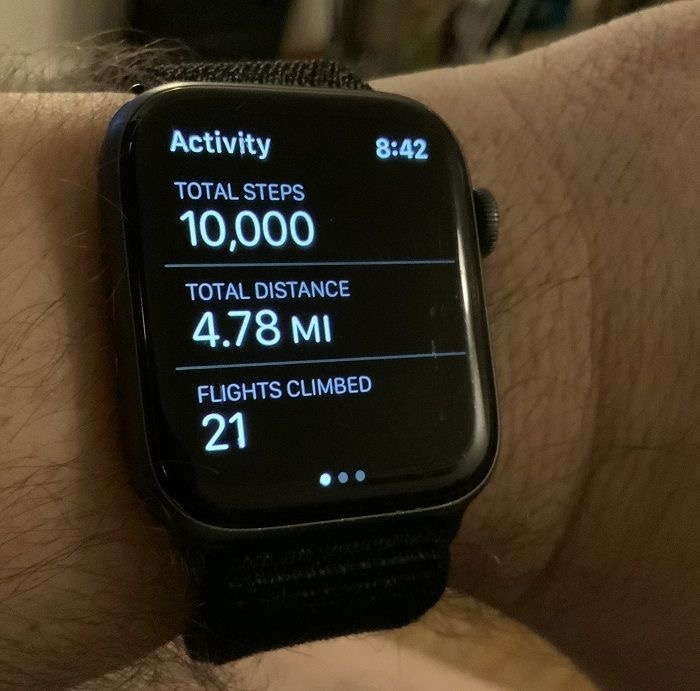
The idea of walking 10,000 steps a day has been widely promoted as a benchmark for good health—but where did this number come from? Originally introduced as part of a marketing campaign in Japan during the 1960s, the concept has since become a global standard for daily physical activity goals. While it’s not a magic number, walking 10,000 steps equates to roughly 5 miles for most people and offers a wide range of benefits supported by science.
Health Benefits You Can Expect
Regular walking improves multiple aspects of health, from cardiovascular endurance to cognitive function. Studies have shown that walking daily can help lower blood pressure, stabilize blood sugar levels, and reduce the risk of heart disease—one of the leading causes of death globally.

✅ Physical Benefits of 10,000 Steps a Day
- Improves heart health by enhancing circulation and reducing LDL cholesterol
- Helps manage body weight and supports fat-burning when combined with a healthy diet
- Boosts metabolism and helps regulate blood sugar—especially important for those at risk of type 2 diabetes
- Strengthens muscles and bones, lowering the risk of osteoporosis and joint stiffness
- Supports healthy immune function, reducing the likelihood of illness
Mental and Emotional Health Improvements
Aside from the physical benefits, walking is one of the most underrated tools for mental health. A brisk 30-minute walk can significantly reduce symptoms of anxiety and depression by releasing endorphins and lowering cortisol levels, the body’s primary stress hormone.
Many people report greater mental clarity, increased focus, and better sleep quality as a result of daily walks. It’s a simple but powerful way to decompress after a long day or create space for mindful reflection.
How Many Calories Do You Burn?
Walking 10,000 steps a day can burn approximately 300–500 calories, depending on your body weight, pace, and terrain. If your goal is weight loss, this amount of daily activity—when combined with a calorie-controlled diet—can result in sustainable fat reduction over time.
Using a fitness tracker or smartwatch can help you monitor steps, heart rate, and calories burned, offering more control and accountability. These devices often sync with apps that analyze your activity and sleep patterns, helping you build a data-driven health strategy.
Realistic Ways to Reach 10,000 Steps
You don’t need to do all 10,000 steps at once. Splitting your walks into smaller sessions throughout the day can make the goal more achievable.
🏃♀️ Easy ways to increase your daily steps:
- Park farther away from stores or the office
- Take the stairs instead of the elevator
- Use walking meetings or phone calls to move
- Go for a walk after meals to aid digestion
- Walk your dog or explore local parks
- Use a step counter app to stay motivated
Many people use wearable health devices to stay consistent. These tools often promote goals like activity tracking, heart rate monitoring, and even sleep optimization, which all play into a more holistic approach to well-being.
Walking and Long-Term Health Outcomes
Studies have shown that consistently walking more than 7,500 steps per day is associated with lower mortality rates, especially in individuals over 50. Increasing your step count is also linked with better blood pressure management, lower risk of stroke, and reduced symptoms of metabolic syndrome.
Additionally, walking may improve gut health, especially when paired with a high-fiber diet. A short post-meal walk can help regulate digestion, reduce bloating, and even enhance nutrient absorption.
Tips to Maximize the Benefits
To make your walking routine even more effective, consider these simple adjustments:
- Walk at a brisk pace to elevate your heart rate and increase calorie burn
- Use walking poles or incline paths to build muscle and challenge your body
- Stay hydrated and wear proper walking shoes to avoid injury
- Incorporate music, podcasts, or audiobooks to keep walks interesting
If weight loss is your goal, combining walking with a high-protein diet, meal replacement shakes, or metabolism-boosting supplements may accelerate results. These products are often promoted alongside fitness routines and have high advertiser demand.
Final Thoughts
Walking 10,000 steps a day isn’t just a fitness trend—it’s a sustainable, science-backed habit that supports cardiovascular health, aids weight management, and enhances mental clarity. While not everyone may need exactly 10,000 steps, moving more each day is a proven way to boost overall health and reduce the risk of chronic disease.
So grab your shoes, start small, and let each step take you closer to better health. Over time, it’s not just your step count that increases—it’s your energy, mood, and quality of life.